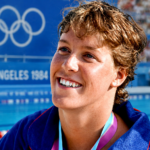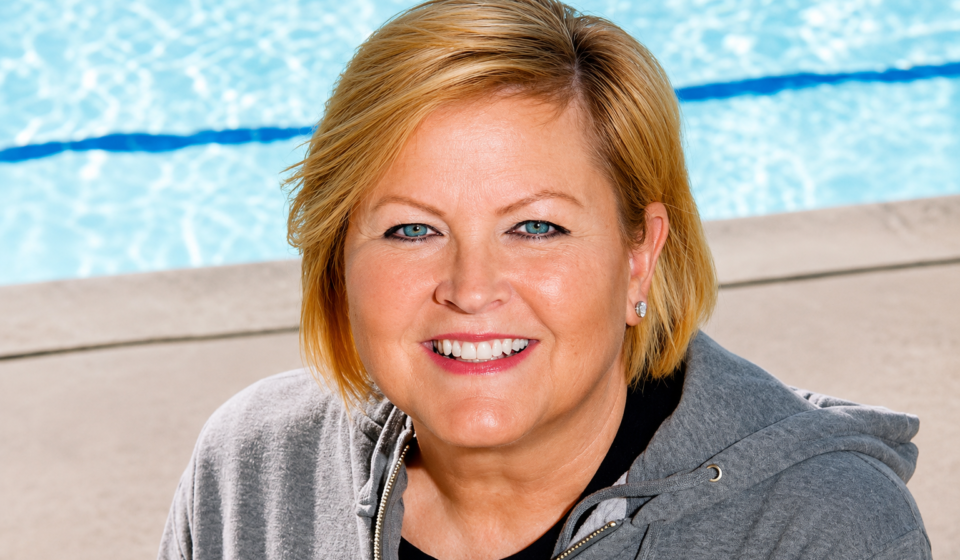

Few athletes in Olympic history have shown as much talent, determination, and courage as Shirley Babashoff. Known for her remarkable success in competitive swimming during the 1970s, Babashoff became one of America’s most accomplished female swimmers. She won multiple Olympic medals, set world records, and later gained recognition for speaking out against unfair competition at a time when few people were willing to listen.
Today, her story is remembered not only because of her achievements in the pool but also because history ultimately proved she was right about one of the biggest scandals in Olympic sports. From her early life and swimming career to questions about Shirley Babashoff husband, Shirley Babashoff son, and the popular Shirley Babashoff book, her life remains fascinating decades after her retirement.
Early Life and Childhood
Shirley Frances Babashoff was born on January 31, 1957, in Whittier, California. Growing up in a family that valued athletics, she was introduced to swimming at a very young age. Her father had a strong passion for the sport and encouraged all of his children to become competitive swimmers. As a result, swimming quickly became an important part of Shirley’s daily life.
Unlike many children who participate in sports for fun, Babashoff showed extraordinary talent almost immediately. Coaches noticed her natural speed, endurance, and determination. By the time she reached her early teenage years, she was already competing against some of the best swimmers in the country.
Her dedication to training helped her develop into one of the most promising young athletes in the United States. Long hours in the pool and a relentless work ethic laid the foundation for what would become an extraordinary career.
The Rise of a Swimming Star
During the early 1970s, Babashoff began making headlines in national swimming competitions. She joined elite swimming programs and trained under highly respected coaches who recognized her exceptional abilities. Her performances continued to improve, and she soon established herself as one of America’s top freestyle swimmers.
What made Babashoff unique was her versatility. She excelled in multiple freestyle distances, from sprint events to longer races. Her endurance allowed her to dominate competitions and set records that attracted attention from around the world.
As she entered international competition, it became clear that she was not simply a talented swimmer. She was becoming a genuine superstar capable of challenging the world’s best athletes.
Shirley Babashoff at the 1972 Munich Olympics
At only 15 years old, Babashoff qualified for the 1972 Summer Olympics in Munich. Competing against experienced international swimmers, she delivered an impressive performance that announced her arrival on the world stage.
During those Games, she earned multiple medals, including relay gold and individual silver medals. For a teenager, such achievements were extraordinary. Many sports experts believed that even greater success would follow in future Olympic competitions.
The Munich Olympics gave Babashoff valuable experience and increased her confidence. More importantly, it introduced her to the pressures and expectations that come with being an elite athlete representing the United States.
By the end of the Games, she was already viewed as one of the brightest stars in American swimming.
Dominating World Swimming in the Mid-1970s
Following Munich, Babashoff continued improving at an incredible rate. Throughout the mid-1970s, she set numerous national and world records while consistently defeating top competitors. She became a dominant force in freestyle swimming and established herself as one of the world’s fastest women in the pool.
Her success reached another level at international championships, where she won major titles and demonstrated her ability to perform under pressure. By 1975, many experts considered her the best female swimmer in the world.
Media coverage increased dramatically as she approached the 1976 Olympics. Expectations were enormous. Some journalists even predicted that she could become the female equivalent of Olympic swimming icon Mark Spitz.
The spotlight was firmly on Shirley Babashoff, and the world was eager to see what she would accomplish next.
The 1976 Montreal Olympics
The 1976 Summer Olympics in Montreal became the defining moment of Babashoff’s career. Entering the Games, she was considered one of the strongest medal contenders in swimming. At the U.S. Olympic Trials, she produced one of the most impressive performances ever seen by a female swimmer, winning multiple events and setting records.
In Montreal, Babashoff won five medals, including a gold medal in the 4×100-meter freestyle relay and four silver medals in individual and team events. While many athletes would have celebrated such success, Babashoff left the Games frustrated because she believed some competitors had gained an unfair advantage.
At the time, East German swimmers dominated women’s swimming. Their performances appeared unusually strong, and Babashoff openly questioned how they had improved so dramatically.
Her comments generated controversy. Many critics accused her of making excuses for losing races. The media often portrayed her negatively and even gave her the nickname “Surly Shirley.”
Speaking the Truth About Doping
Years after the 1976 Olympics, evidence emerged showing that East Germany had operated a systematic doping program involving many of its athletes. Investigations confirmed that performance-enhancing drugs had played a major role in the country’s swimming success.
This revelation completely changed how people viewed Babashoff’s comments. What many had dismissed as complaints from a disappointed athlete turned out to be accurate observations.
Today, many sports historians consider Babashoff one of the earliest high-profile athletes to publicly challenge doping in international competition. Her willingness to speak out demonstrated remarkable courage, especially considering the criticism she received at the time.
As public understanding of the scandal grew, her reputation improved significantly. Many now view her as both a champion swimmer and a defender of fair competition.
Records and Achievements
Babashoff’s accomplishments remain impressive even by modern standards. Throughout her career, she set multiple world records and dozens of national records. She won numerous Olympic and world championship medals while competing during one of the most competitive eras in swimming history.
Some of her most notable achievements include:
- Multiple Olympic gold and silver medals
- World championship victories
- Several world records
- Dozens of U.S. national records
- Induction into the International Swimming Hall of Fame
- Membership in the U.S. Olympic Hall of Fame
These accomplishments alone would have secured her place in swimming history, but her role in exposing unfair competition adds another important chapter to her legacy.
Shirley Babashoff Husband: What Is Known About Her Marriage?
Many fans search for information about Shirley Babashoff husband because her personal life has remained relatively private compared to her athletic career.
According to available biographical information, Babashoff married in 1978. The marriage was arranged with encouragement from her family and involved a fellow athlete from a similar cultural background. However, the relationship was short-lived, and the couple divorced approximately two years later.
After the divorce, Babashoff chose not to remarry. Instead, she focused on building her life outside competitive swimming and raising her family.
Because she has largely stayed out of the public spotlight, detailed information about her former husband remains limited.
Shirley Babashoff Son and Family Life
Interest in Shirley Babashoff son has also grown over the years as people become curious about her life after retirement.
Babashoff became a mother in 1986 and raised her son as a single parent. Reports indicate that she worked hard to provide for her family while pursuing a career outside professional sports.
Unlike many retired athletes who remain in the public eye, Babashoff chose a more private lifestyle. She focused on family responsibilities and everyday work rather than seeking media attention.
Her experience as a single mother reflects the same determination and resilience that defined her swimming career. Those qualities helped her succeed both in and out of the pool.
Life After Competitive Swimming
Following her retirement from swimming, Babashoff explored several different career paths. She attended college, worked in coaching, participated in promotional activities, and eventually became a letter carrier for the United States Postal Service.
Many people find it inspiring that an athlete who once stood on Olympic podiums chose a normal working life rather than chasing celebrity status.
She also remained involved in the swimming community and occasionally participated in events honoring Olympic athletes and sports history.
Her post-swimming life demonstrates humility and a strong work ethic—qualities that have earned her respect from fans and fellow athletes alike.
The Shirley Babashoff Book
One of the best ways to learn about her remarkable journey is through the Shirley Babashoff book, Making Waves: My Journey to Winning Olympic Gold and Defeating the East German Doping Program. Published in 2016, the memoir offers a firsthand account of her life, swimming career, Olympic experiences, and the controversy surrounding the East German doping scandal.
The book explores:
- Her childhood and early swimming years
- Olympic triumphs and disappointments
- The challenges of competing against doped athletes
- Media criticism during the 1976 Olympics
- Her personal growth and life after swimming
Readers praise the book for its honesty and detailed look at one of the most important periods in Olympic history.
For sports fans, historians, and aspiring athletes, the memoir provides valuable insight into both athletic excellence and personal perseverance.
Shirley Babashoff’s Lasting Legacy
Today, Shirley Babashoff is widely recognized as one of the greatest swimmers in American history. Her achievements in the pool remain extraordinary, but her legacy extends beyond medals and records.
She demonstrated that athletes should not be afraid to speak the truth, even when doing so is unpopular. Years before official investigations exposed widespread doping, Babashoff had the courage to question what she witnessed.
Many modern athletes benefit from stricter anti-doping programs that emerged partly because people like Babashoff refused to remain silent.
Her story serves as a reminder that true champions are defined not only by victories but also by integrity, honesty, and resilience.
Conclusion
Shirley Babashoff’s journey is one of talent, determination, and courage. From her early days as a young swimming prodigy to her success at the Olympics, she consistently demonstrated excellence in one of the world’s most demanding sports. Her willingness to challenge unfair competition ultimately helped protect the integrity of athletics and earned her a place among the most respected figures in Olympic history.
Whether readers are interested in her swimming achievements, the story behind the Shirley Babashoff husband search, details about Shirley Babashoff son, or insights from the Shirley Babashoff book, her life remains both inspiring and historically significant. Decades after leaving the pool, Shirley Babashoff continues to be remembered as a true Olympic legend.
ALSO READ : Artist Alix Bailey: The Life, Career, Art, and Connection to Louis C.K.